
What Is a Home Inspection — And Do You Really Need One?
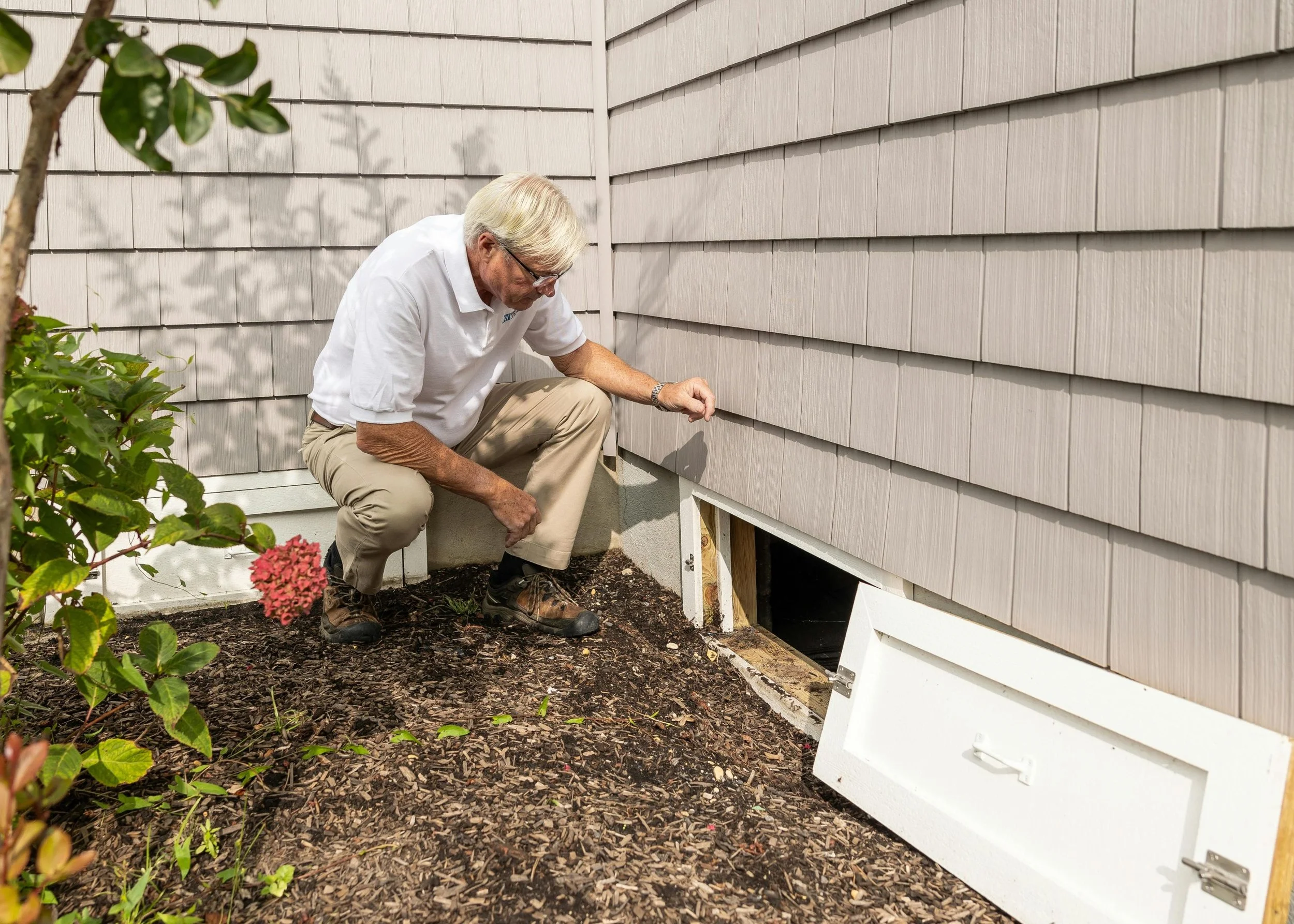
Winnipeg home buyers… let’s talk about something that often gets misunderstood in our market. We’ve been in a Seller’s Market for nearly two decades—yes, still—which means home inspections in Winnipeg don’t happen as frequently as they do in other Canadian cities. Homes sell quickly, competition is common, and buyers sometimes feel pressure to skip an inspection just to stay competitive. The good news? A home inspection is still absolutely an option in Winnipeg, and in many cases, a smart one. If you're buying a home in Winnipeg, you’ve likely heard the term tossed around—so let’s break down what a home inspection actually is, how the process works, and whether it’s worth the cost in today’s Winnipeg real estate market.
What Is a Home Inspection?
A home inspection is a non-invasive, professional assessment of a property’s condition. Non-invasive means: inspectors can only examine what they can see. If the basement is fully finished, they can’t open drywall to expose and check the foundation walls. Instead, they rely on training and experience to spot red flags that may indicate hidden issues.
During an inspection, the inspector will look at major components of the home, including:
Roof
Foundation & structure
Electrical system
Plumbing
Heating & cooling systems
Attic & Insulation
Doors & windows
Visible signs of water issues, safety hazards, or structural concerns
And More!
They’ll let you know the age, materials, condition, and functionality of these systems; right down to running taps, opening the electrical panel, and checking the furnace. One important thing to understand: a home inspection does not “pass” or “fail” a home. Think of it like a health check. Every home has quirks, your inspector is simply reporting on the property’s current condition.
Types of Home Inspections
There are two common ways buyers approach home inspections in Winnipeg:
1. Full Home Inspection
This is the most thorough option. This inspection typically costs around $600 (dependant on square footage) and is roughly 2-3 hours in length. The inspector examines the entire home and provides a detailed written report afterward. This report becomes almost like your home’s owner’s manual, often including:
Maintenance tips
Notes on repairs or safety concerns
Details about your systems (e.g., 200-amp panel, sump pump, backwater valve, copper wiring, furnace age, etc.)
This report is incredibly useful when applying for home insurance and serves as a long-term reference for you as a homeowner.
How it works:
The inspector and your agent will show up to the property at the set inspection time. You, the buyer are typically asked to show up about 1.5 hours later. This gives the inspector time to do a thorough examination of the home without interruption. When you show up, the inspector walks you through the major findings and explains the key systems. Attending the inspection is a fantastic learning opportunity, you have the ability to ask questions and learn about findings firsthand.
2. Walk-Through or Pre-Offer Inspection
In this scenario, you’re with the inspector the entire time- roughly 45 minutes to an hour. They walk through the home with you, looking at major systems and explaining their observations on the spot. This option is very common before writing an offer, especially when a home is expected to get multiple offers. Including an inspection condition in a competitive situation often weakens your offer, so buyers choose this quick pre-inspection to get clarity without hurting their chances. Many buyers who secure the home later choose to do a full inspection after possession as an added layer of protection to ensure they aren’t missing anything that should be fixed right away and to receive the full written report.
So… Is a Home Inspection Worth It?
Yes.
For $600, you’re buying peace of mind—and sometimes leverage. An inspection can:
Prevent expensive surprises
Help you renegotiate if major issues come up
Assist with budgeting future repairs or replacements
Give you a clear understanding of the home you’re buying
If you’re not in competition on a home, adding an inspection is often a smart choice. When you are competing, things get trickier, because an inspection condition can make your offer less appealing. In those cases, a pre-offer walk-through may be the best compromise. And keep in mind: there’s no such thing as a perfect home. Sticky doors, leaky taps, aging systems, these are normal. Regardless, you want to feel confident and comfortable with the purchase you are making, and a home inspection often is the key to this confidence.
What If the Inspection Finds Problems?
This depends on the type of inspection and whether it was tied to your offer.
Pre-Offer Walk-Through Inspection: If you discover a major issue, you may simply choose not to write an offer, especially if you expect to be competing and negotiating isn’t an option.
Inspection as a Condition of Your Offer: If your offer includes an inspection condition, and something significant comes up, you have three options:
1. Accept the home as-is
You now know what you’re dealing with and can budget accordingly.
2. Walk away
For major issues (ex: structural concerns or foundation problems), walking away is sometimes the safest choice.
3. Renegotiate
You can ask the seller to fix certain items or reduce the purchase price to offset the repair cost. They don’t have to agree but depending on what you find, it may be worth a shot!
Common Issues Inspectors Call Out: You’ll see these in almost every report:
Grading Issues
Winnipeg sits on clay, so the ground settles over time. If grading slopes toward your house instead of away from it, water can pool near the foundation, one of the biggest culprits behind basement issues. Regrading to ensure the ground is sloped away from your home is important to help keep your basement dry.
Dirty furnace/HRV filters
Simple maintenance items that homeowners often forget.
Missing or faulty smoke/CO₂ detectors
A safety must-have.
These commonly found issues are relatively inexpensive and easy to solve. Expect to see at least one on your inspection report!
Home inspections remain one of the most powerful tools Winnipeg home buyers have to protect themselves and make informed decisions—especially in a long-running Seller’s Market. A professional inspection provides clarity, reduces risk, and gives you a realistic understanding of the home’s condition before you move in. The key is choosing a trusted, experienced Winnipeg home inspector who understands our clay soil, basements, and climate-specific systems like sump pumps and HRVs. If you have questions about the home inspection process, want recommendations for reputable inspectors, or want to talk through buying or selling in the Winnipeg real estate market, I’m always here to help.

Sheyla Duncan
Phone: (204) 871-3228
Email: Sheyla@QueenTeam.ca
Sheyla Duncan is a Realtor with the Queen Team in Winnipeg, Manitoba. She helps buyers of all experience navigate complex real estate decisions. She leads with her heart first, and always ensures that her clients are well-informed and comfortable in their decisions.