
Selling a Home Through an Estate in Winnipeg: What Families Need to Know
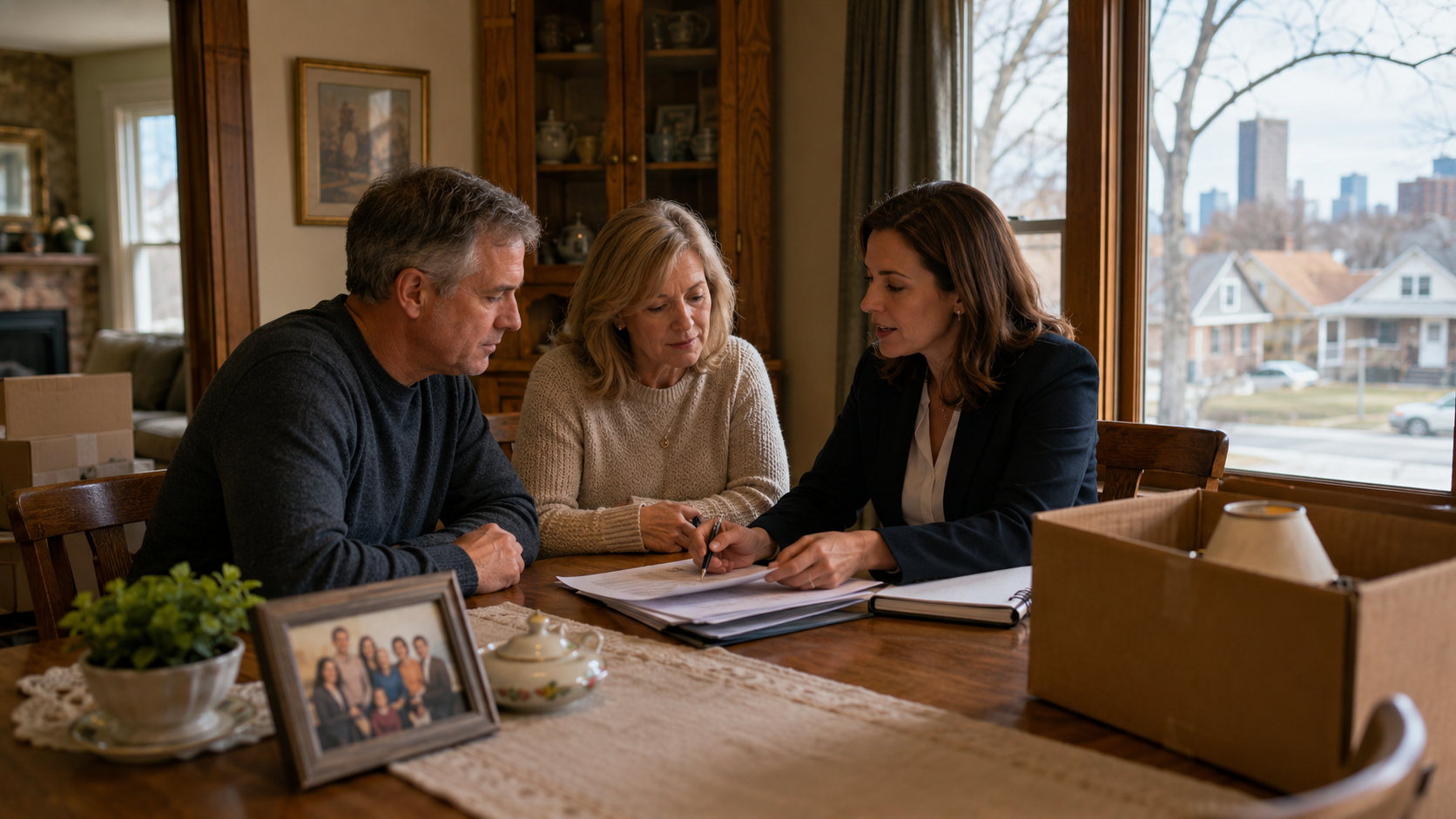
Selling a home through an estate in Winnipeg can feel overwhelming, especially during a time of grief and major life transition. Between probate, legal authority, preparing the home for sale, and navigating family decisions, there are many moving pieces. The good news is that with the right guidance and a clear step-by-step plan, the process can feel significantly more manageable.
There are moments in life where real estate becomes about far more than property.
A parent passes away.
A family home suddenly sits quiet. And suddenly, decisions that once felt far away become immediate.
And alongside grief, families are faced with decisions they never expected to have to make.
Questions start to arise, like:
What happens to the house now?
Can we sell it immediately?
What is probate?
Where do we even begin?
If you’re navigating one of these situations, you are absolutely not alone.
And while the process can feel overwhelming at first, it often becomes much more manageable once you understand the steps involved.
What Happens to a House When Someone Passes Away?
One of the biggest misconceptions families have is that ownership of a home transfers automatically after someone passes away.
In reality, there are often legal and administrative steps that need to happen first.
The process can vary depending on:
Whether there is a will
How the property was owned
Whether there are multiple beneficiaries
Whether probate is required
For many families, the first step is simply gathering information and understanding who has legal authority to act on behalf of the estate.
And importantly: you do not need to have every answer immediately
This process often unfolds in stages.
What Is Probate? (In Plain English)
Probate is one of those words many people have heard, but few fully understand until they’re suddenly dealing with it themselves.
In simple terms: Probate is the legal process that confirms the executor’s authority to act on behalf of an estate.
This may include:
Selling property
Accessing accounts
Managing and distributing assets
How any debts are to be settled
Not every estate requires probate, but many do.
And depending on the situation, probate can affect:
When a home can be listed
When a sale can close
Who can legally sign documents
How property can be converted into cash for beneficiaries
This is one of the reasons estate sales can sometimes move more slowly than traditional sales.
Please note: this article is intended as general information only and should not be considered legal advice.
Preparing an Estate Property for Sale
This is often the most emotional part of the process. Because preparing an estate property for sale usually means sorting through:
Furniture
Personal belongings
Photographs
Decades of memories
And for many families, that can feel incredibly heavy. And this is COMPLETELY normal. I have had listings in which the Sellers, in theory, could have had the house prepared over the course of a few weekends. But they took months. And that is okay too. There is no rush, from me, to sell anything quickly.
There are often practical considerations too:
Deferred maintenance
Cleaning and organizing
Safety concerns
Deciding what stays, what goes, and what matters most
The important thing to remember is: this does not need to happen all at once
The smoothest estate transitions are usually the ones approached gradually, with a clear plan.
What Your Realtor Needs to Sell an Estate Property in Winnipeg
There are generally two different paths families may encounter when selling an estate property, and understanding the difference early can help prevent delays and confusion later on.
If There Is a Will
If a valid will exists, there is usually a named executor who has been appointed to act on behalf of the estate. In many situations, your Realtor will require: the Grant of Probate
This document confirms the executor’s authority to act on behalf of the estate and move forward with the sale.
If There Is No Will
If no will exists, the court may appoint an administrator to manage the estate. In these situations, your Realtor will generally require: Letters of Administration
These documents serve a similar purpose in confirming legal authority to act on behalf of the estate.
Can You Sell a Home Before Probate or Letters of Administration Are Issued?
This is where things can become a little more nuanced. Technically, under contract law, it may be possible to enter into an agreement before probate or Letters of Administration are finalized.
However, doing so can create significant uncertainty around timing, particularly possession dates, which can make a property less attractive to buyers.
And in real estate: uncertainty often impacts buyer confidence and, ultimately, sale price.
In some situations, lawyers may draft clauses that create a “floating” possession date tied to the issuance of probate.
For example:
“Possession shall be given by ______ a.m./p.m. on the _____ day of __________, 20, or fourteen days after the Manitoba Court of King’s Bench has issued the Grant of Probate, whichever is later.”
That said, families should understand there is another important consideration here. The Manitoba Real Estate Association has provided guidance to Realtors advising against proceeding with the sale of estate properties before Probate or Letters of Administration are in place.
This guidance is relatively recent, and not all Realtors may approach these situations the same way. The important takeaway for families is simply this:
Attempting to sell a property before proper authority is in place can absolutely create delays, complications, or even derail a transaction entirely.
This is one of the reasons why early conversations with both your lawyer and your Realtor are so important.
Adding this again to keep our lawyers happy. But please note: this article is intended as general information only and should not be considered legal advice.
What Your Realtor Will Typically Need From You
Once legal authority is confirmed, your Realtor will often request:
A copy of the will (if one exists)
Grant of Probate or Letters of Administration
Identification matching the legal documents
A set of keys for the property
And while not always possible, the following can also be incredibly helpful:
upgrade lists
past repair information
utility details
property documentation
Of course, given the circumstances surrounding many estate sales, we also understand that families may not always have access to all of this information.
What Your Realtor Should Be Doing for You
A Realtor experienced with estate sales should also be helping guide families through the practical side of the process.
That may include:
Reviewing Title Ownership
For example:
Was the property held as joint tenancy?
Or tenants-in-common?
This can affect both legal process and next steps.
Reviewing the Will Carefully
Not all wills are structured the same way.
Some may contain limitations or require additional legal clarification before a sale can proceed.
Helping Establish Market Value
Estate sales often require a careful and well-supported pricing strategy, particularly when:
timelines are sensitive
multiple beneficiaries are involved
or the home has not been updated in many years
Common Challenges Families Face During an Estate Sale
One of the most helpful things families can hear during this process is: what you’re experiencing is normal. Estate sales often involve:
Family members grieving differently
Disagreements around timing or pricing
Executors coordinating things from out of town
Feeling overwhelmed by the amount of work involved
Uncertainty around what updates or preparation are actually necessary
Sometimes families feel pressure to make decisions quickly. But just know, that pressure should NEVER come from your Realtor.
Often, slowing down just enough to create a thoughtful plan leads to:
better outcomes
less stress
and a smoother process overall
Estate sales are rarely just real estate transactions. they’re family transitions happening in real time.
What Makes Estate Sales Different From Traditional Sales?
Estate sales often require a very different approach than a traditional home sale. It’s not just about:
Pricing
Marketing
Staging
It’s also about:
Communication between family members (and the complexities that come with differing expectations)
Handling a home that is vacant (including maintenance schedules and insurance complexities)
Legal timelines
Documentation
Emotional readiness and also attachment to the property.
And because many estate homes have been lived in for decades, preparation often requires more thought and care.
The goal isn’t simply: “sell the house”
It’s helping the family move through the process in a way that feels respectful, manageable, and informed.
How to Make the Process Feel More Manageable
When families feel overwhelmed, it’s usually because they’re trying to solve everything at once. The process becomes much easier when broken into phases.
Step 1: Gather Information
Start with:
legal documents
title information
communication with the estate lawyer
Step 2: Understand the Property
Determine:
approximate market value
current condition
what preparation may be needed
highly recommend getting a Realtor involved at this point. I find a lot of people want to get a property into “perfect” condition before having a Realtor come through, but that is actually not my preference. I would much rather consult early in the process so we can help you decide what is worth doing, what is not worth doing, and where your time, energy, and money are best spent.
Sometimes the things sellers think they need to tackle are not the things that will move the needle most. An early walkthrough allows us to build a practical plan, avoid unnecessary work, and position the home properly from the start.
Here is what you can expect at your Seller’s Consultation.
Step 3: Create a Plan
This may include:
timelines
organizing help
deciding what to keep, donate, or sell
Step 4: Prepare the Home Thoughtfully
Not every estate property needs major renovations. Often, the biggest impact comes from:
decluttering
cleaning
small repairs
thoughtful staging and presentation
Again, more reason to have your Realtor in early so that you are focusing on the true value-added activities. Want some advice on this? Check out our Home Staging blog.
Step 5: Move Forward One Step at a Time
This process rarely feels manageable when viewed as one giant decision.
But step-by-step? It becomes much more approachable.
Key Takeaways
Estate home sales involve both emotional and legal considerations
Probate and legal authority can impact timing and process
Preparing an estate property is often both practical and emotional
Families frequently feel overwhelmed at first—and that’s normal
The process becomes much easier with clear guidance and a step-by-step plan
Frequently Asked Questions About Estate Home Sales in Winnipeg
Can a house be sold before probate in Manitoba?
Sometimes, depending on how the property is owned and who has legal authority to act on behalf of the estate.
Do estate homes need renovations before selling?
Not necessarily. Many benefit more from decluttering, cleaning, and preparation than major renovations.
What happens if siblings disagree about selling the home?
This is more common than many people realize and may require legal guidance or mediation depending on the circumstances.
How long does an estate sale usually take?
Every situation is different. Timelines can depend on probate, legal documentation, family decisions, and the condition of the property.
Should we empty the home before listing it?
Not always. In many cases, strategic preparation and staging guidance can help determine the best approach.
Final Thoughts
There’s no perfect way to navigate an estate sale.
There’s only:
the next conversation
the next decision
the next step forward
And while the process can feel overwhelming at first, most families find that with the right guidance and a clear plan, it becomes far more manageable than they initially feared.
You do not need to solve everything today.
You just need to start somewhere.
If you are the executor or administrator, one of the best things you can do is build a solid team around you.
This is not only a practical process, it can be an incredibly emotional one, too. Yes, you may be the primary person overseeing what happens next, but that does not mean you need to carry it all alone.
Surround yourself with family or friends you can trust. Have a lawyer who is responsive, approachable, and able to help you make sure each step feels onside. And, of course, work with a Realtor you trust. Someone who understands the weight of the process, will not pressure you to move faster than necessary, and will keep your best interests at the centre of every recommendation.
If you ever need help navigating the sale of an estate property, please reach out. We help families through this process regularly and would be honoured to guide you through it as well.

Your Friend in Real EstaTe,
Jennifer Queen
Phone: (204) 797-7945
Email: Jennifer@QueenTeam.ca
About the Author
Jennifer Queen is a Winnipeg REALTOR® and team lead of The Queen Team, with experience helping families navigate home sales involving aging parents, selling Estates, navigating Probate or Letters of Administration, downsizing, and Power of Attorney situations.
She understands that these transitions are rarely just logistical - they are deeply personal decisions involving family, timing, and care. Jennifer focuses on creating a calm, thoughtful process that helps families feel informed, supported, and confident throughout each step of the transition.