
Getting Your Winnipeg Home Ready Before Spring Melt
In Winnipeg, spring doesn’t ease in — it arrives fast. After months of deep freeze, the shift from winter to spring can put real pressure on a home, especially below grade. That’s why late winter is the ideal time to prepare, before snowmelt and spring moisture test your basement.
January through March is when homeowners start noticing cracks, drafts, sump pumps, and exterior buildup — not because something suddenly went wrong, but because winter has been quietly setting the stage.
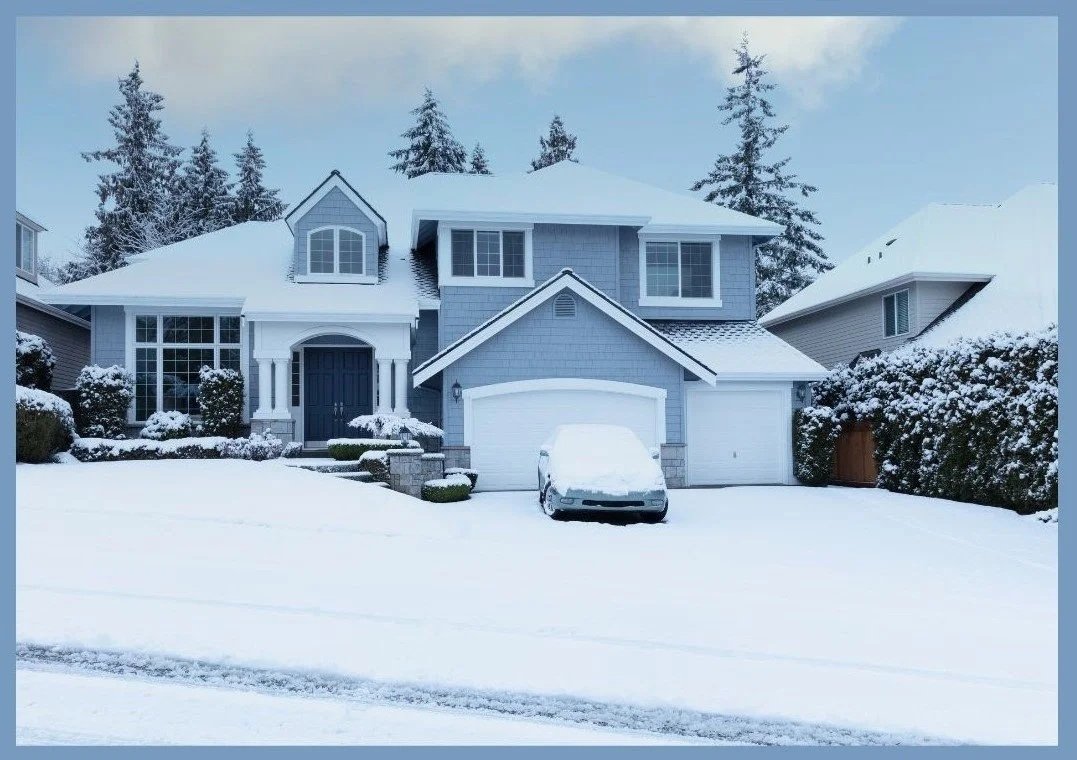
Winter Reveals What Spring Will Stress
Winnipeg winters expose weak spots long before spring melt arrives. Cold temperatures highlight where heat escapes, moisture collects, and airflow is restricted.
Common signs homeowners notice late winter:
Cold or damp basement areas
Drafts along foundation walls
Visible foundation cracks
Sump pumps cycling during thaws
These clues are valuable — they tell you what needs attention before melting snow and frozen ground push water toward your foundation.
Check Cracks Before They Carry Moisture
Freeze-thaw cycles can make existing cracks more visible by late winter. While many are harmless, this is the best time to monitor them and decide if sealing or professional review is needed before spring moisture finds its way in.
Pay attention to cracks that:
Appear to widen
Show signs of moisture staining
Run vertically along foundation walls
Sump Pump Readiness Matters Now
Spring melt is when sump pumps work hardest — but winter is when you should confirm they’re ready.
Before spring:
Make sure the pump is cycling properly
Check discharge lines for ice or blockages
Consider a backup system if you don’t already have one
If your sump pump runs during winter thaws, that’s a good sign — it means it’s doing its job.
Late-Winter Exterior Checks That Prevent Spring Issues
What’s happening outside directly affects your basement. A quick walk-around in late winter can prevent surprises once temperatures rise.
Focus on these areas:
Attic & Roof Vents – Clear snow and frost to allow proper ventilation and reduce moisture buildup.
Plumbing Stacks – Snow-covered vents can cause drainage issues inside the home.
Icicle Buildup – Excessive icicles often point to heat loss or ice dams that can lead to leaks.
Gas Meter Clearance – Keep meters and regulators free of snow and ice for safe operation.
Furnace Intake & Exhaust Pipes – Ensure vents are clear so systems operate safely and efficiently.
Older Winnipeg Homes Need Extra Attention
Homes built before modern insulation standards — common across many Winnipeg neighbourhoods — often feel winter and spring transitions more intensely.
Late winter is the best time to:
Identify drafty areas
Monitor humidity levels
Plan insulation or ventilation upgrades
Addressing small issues now can prevent water infiltration once the ground begins to thaw.
Why Late Winter Is the Sweet Spot
Waiting until spring can mean reacting instead of preparing. Late winter gives homeowners time to observe, plan, and address concerns before moisture becomes a problem.
Preparing now helps:
Reduce basement moisture during melt
Prevent water damage
Avoid emergency repairs
Protect long-term foundation health
In Winnipeg, spring maintenance starts before spring arrives. Late winter is your window to prepare your basement, exterior, and mechanical systems for the season ahead.
If you’re unsure what’s worth addressing — or you’re planning to sell this year — I’m always happy to help you look at your home through a Winnipeg-specific lens.
Got Feedback? We'd Love to Hear It!
Comments, concerns, or topics you'd like us to cover in our next newsletter? Let us know! Email us at Hello@queenteam.ca—we’d love your input!

Amy McDermid
Phone: (204) 470-5356
Email: Amy McDermid@QueenTeam.ca
