
Upcoming Developments That Could Boost Property Values in Winnipeg
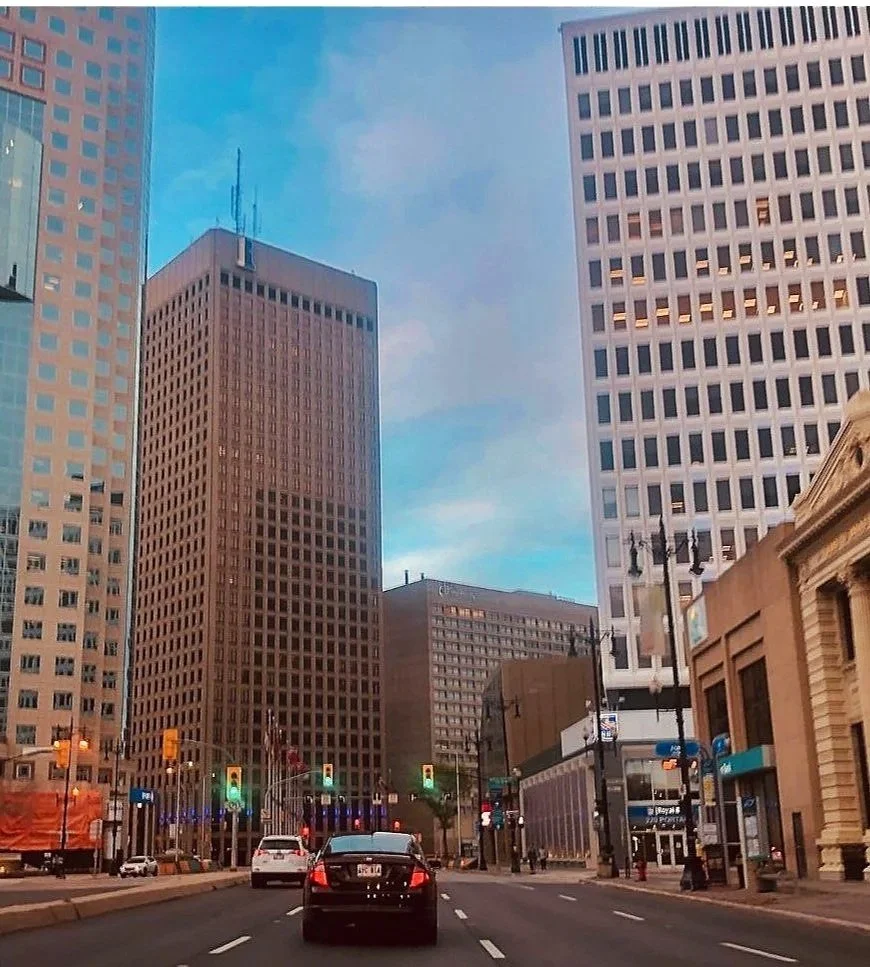
Winnipeg is entering an exciting phase of growth, with several large-scale redevelopment projects and infrastructure investments underway across the city.
From downtown revitalization and new mixed-use communities to housing acceleration initiatives and major residential developments, these projects have the potential to reshape neighbourhoods, attract investment, and influence long-term property values.
While no development can guarantee appreciation, understanding where growth is happening can help buyers, homeowners, and investors make more informed real estate decisions.
If you've followed Winnipeg real estate for any length of time, you'll know that neighbourhoods don't change overnight.
The areas we think of today as highly desirable didn't become that way by accident. Often, they were shaped by:
new amenities
infrastructure improvements
increased walkability
employment opportunities
population growth
and long-term investment.
Today, Winnipeg has several major projects underway that could have a meaningful impact on where people choose to live and invest over the next decade. Here are a few developments that we're watching closely.
1. Portage Place Redevelopment
A New Vision for Downtown Winnipeg
One of downtown’s landmark projects, the Portage Place mall is being reinvented as a mixed-use campus. The space will deliver a 265,000 sqft health-care space, a 15‑storey residential building with affordable units, retail space, grocery store, public space and community amenities.
Why It Matters: Major institutional investments often act as catalysts for additional investment. The addition of healthcare workers, residents, services, and amenities has the potential to increase:
foot traffic
employment opportunities
neighbourhood activity
overall desirability of the downtown core.
Could this support long-term property values downtown? Potentially. And perhaps more importantly, it may help reshape perceptions of downtown living and investment.
2. Forks Railside Redevelopment
One of Winnipeg's Most Exciting Transformations
Adjacent to The Forks, this transformative mixed-use neighbourhood envisions multiple residential buildings, shops, offices, parks, and pedestrian infrastructure on former parking lands. Construction on Phase 1 of the development is slated to begin in 2025. This initial phase will feature 10 buildings, two landscaped courtyards, pedestrian-friendly alleyways, and thoughtfully designed public spaces. Once Phase 1 is complete, the project will move into Phase 2, expanding further into The Forks area with additional Railside development.
Why It Matters The Forks has already become one of Winnipeg's most beloved destinations. Adding permanent residential density to the area has the potential to:
improve walkability
create additional amenities
attract further investment
increase demand for nearby housing.
Neighbourhoods surrounding The Forks and Winnipeg's waterfront could benefit from the increased activity and continued revitalization of the area.
3. Southwood Circle
A New Community Taking Shape
On 113 acres near the University of Manitoba, Southwood Circle is a long-term, phased development featuring 11,000 residential units and 300,000 ft² of retail space. It is a project estimated at $6 billion.
Why It Matters: This development has the potential to significantly influence the surrounding areas of:
Waverley West
South Pointe
The combination of:
housing
employment
amenities
and proximity to the University of Manitoba
could make this one of the city's most significant long-term growth areas.
4. Downtown Residential Towers and Adaptive Reuse Projects
More People Living Downtown
One of the most encouraging trends we've seen in recent years is the reinvestment happening in downtown Winnipeg. Several multi‑storey residential buildings are in development downtown including:
New Towers
300 Main: 42 stories mixed use building with 400 rental apartments.
308 Colony St: 21 story mixed use building with 214 rental units, 84 affordable units.
109 Mayfair Ave: 15 story building with 96 apartments.
127 Bannatyne Ave: A mixed-use building including 80 rental suites.
Conversion:
52 Albert St: A heritage building renovated into 31 rental apartments.
101 Paulin St: An old warehouse converted into 109 rental apartments.
175 Carlton St: A former office building converted into 35 rental apartments.
Former Winnipeg Hotel: Renovated into a Boutique Hotel.
The Bay building (Wehwehneh Bahgahkinahgohn): Undergoing transformation into a mixed-use space, including residential units, by the Southern Chiefs Organization.
Meanwhile, many underutilized office towers are being acquired and repurposed by Indigenous groups to reduce vacancy and restore downtown density.
Why It Matters: A healthy downtown typically benefits from increased residential density, additional services, greater vibrancy, improved safety through activity, and stronger support for local businesses. As more people choose to live downtown, surrounding neighbourhoods may also benefit from renewed interest and investment.
5. Housing Accelerator Fund and MSHIP
The Programs You Don't Hear Enough About
Some of the most important developments aren't buildings at all. They're policies.
Winnipeg’s Housing Accelerator Fund, combined with newly launched Multi‑Family Sustainable Housing Infrastructure Program (MSHIP), provides grants, tax‑increment financing, and up to $10,000 per unit in incentives to developers building high-density and affordable housing.
Why It Matters. Housing supply remains one of the biggest challenges facing many Canadian cities. Programs that encourage additional housing development may help:
improve supply
encourage investment
support neighbourhood growth
increase services and amenities in emerging areas.
Why This Matters to Investors & Buyers
Neighbourhood Revitalization
Projects like Portage Place and Forks Railside draw new activity, services, and appeal.
High-Density Living Trends
Downtown and university-area projects reflect increasing demand for rentals and urban lifestyles.
Infrastructure Support
City-backed programs reduce risk and support development in growing areas.
Long-Term Appreciation
Early buyers/investors in these zones may benefit as projects mature and attract interest.
Where to Watch
Downtown / Portage & Main area: Strong activity via Portage Place, Colony Street, Mayfair, Bannatyne.
The Forks & Waterfront: Railside development transforming underutilized assets into residential hubs.
South Waverley / Fort Garry: Southwood Circle setting a new benchmark for suburban-infill communities.
City-wide, especially near transit corridors: Leveraged by city programs and zoning updates focused on missing-middle housing.
A Word of Caution
It's important to remember that real estate is local. Not every project will impact every neighbourhood equally. And no one can guarantee future appreciation.
However, understanding where investment is occurring can help buyers and homeowners make more informed decisions about where long-term opportunities may exist.
Key Takeaways
Winnipeg is experiencing significant investment and redevelopment across several areas of the city.
Major projects include Portage Place, The Forks Railside, Southwood Circle, and multiple downtown residential developments.
Housing acceleration initiatives may support long-term neighbourhood growth.
Increased amenities, walkability, and investment can influence desirability and demand.
Buyers and investors should pay attention not just to where values are today, but where growth may occur tomorrow.
Frequently Asked Questions
Will these developments increase property values?
No development can guarantee appreciation. However, major investments can improve neighbourhood desirability and potentially support long-term demand.
Should investors buy near these projects?
Potentially. Understanding future growth patterns can be one piece of an overall investment strategy.
Which areas of Winnipeg are seeing the most change?
Downtown, The Forks area, Fort Garry, Waverley West, and areas along major transit corridors are all experiencing significant investment.
Is Winnipeg still a good long-term real estate market?
Historically, Winnipeg has been one of Canada's more stable and predictable housing markets, benefiting from affordability and steady long-term growth.
Ready to Explore Opportunities?
Whether you're targeting early investment, planning your first home purchase, or looking for income-generating properties, I’d be happy to share sample properties, projected timelines, or how to position yourself ahead of these exciting launches.

Samantha Scribilo Kusiak
Cell: 204 l 960 l 8851
Email: Sam@QueenTeam.ca
About the Author: Sam Scribilo is a Winnipeg REALTOR® with The Queen Team. She is passionate about helping buyers and sellers understand not only where the market is today, but where it may be headed tomorrow. Through neighbourhood expertise, market analysis, and long-term perspective, Sam helps clients make informed real estate decisions throughout Winnipeg and the surrounding communities.