
Selling a Waterfront Home in Winnipeg: What You Need to Know to Maximize Value
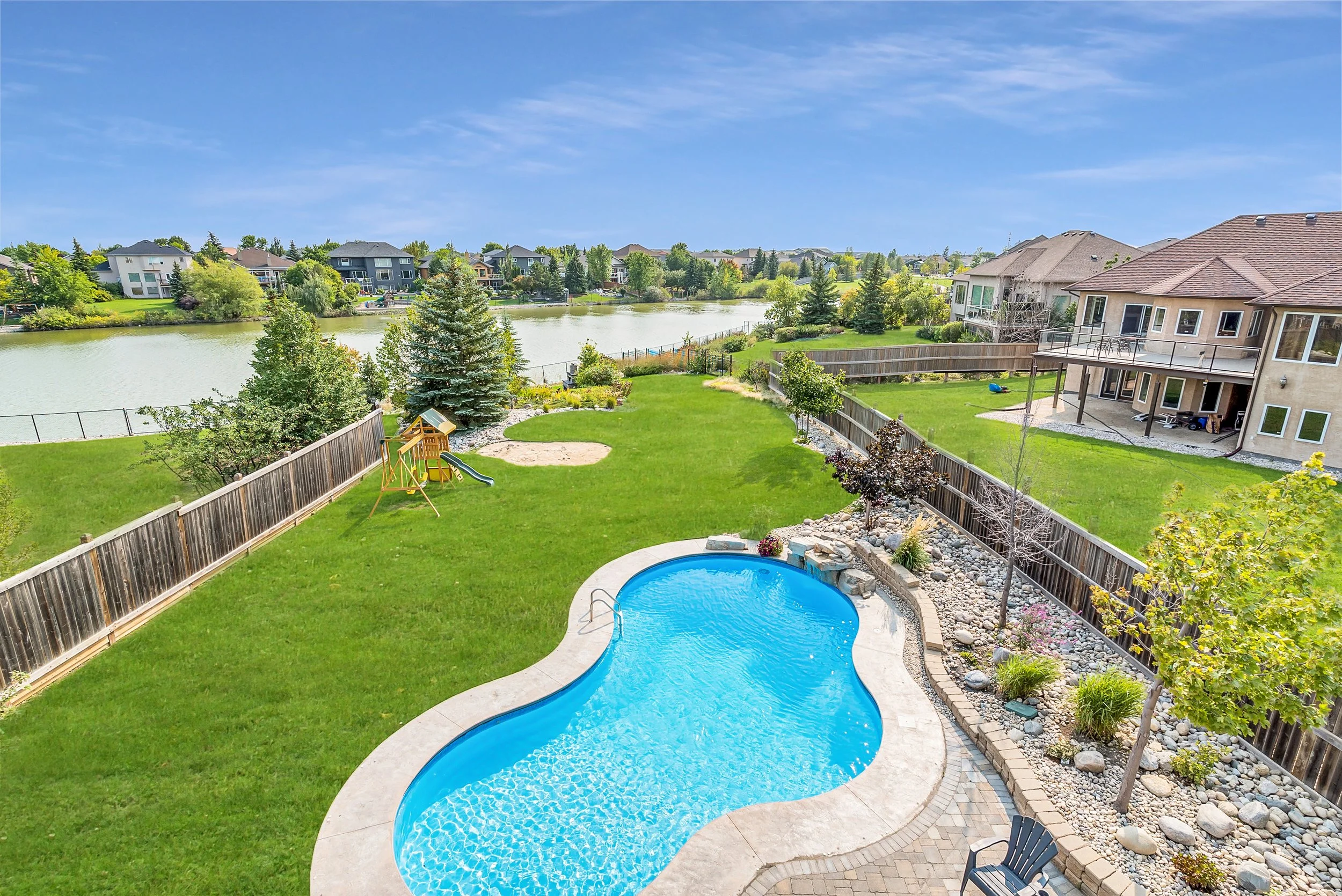
Selling a waterfront home in Winnipeg requires a different strategy than selling a typical property. Buyers are drawn to the lifestyle, but they also have important questions about riverbank stability, flood protection, insurance, and permits.
The key to a successful sale is addressing these concerns proactively, so buyers feel confident, not cautious.
There’s something special about owning a home on the river.
The quiet. The views. The wildlife.
That feeling of space that’s hard to find anywhere else in the city.
And when it comes time to sell, many homeowners assume:
“This will sell itself.”
Sometimes it does.
But the truth is, riverfront homes don’t sell because they’re beautiful.
They sell because buyers feel confident.
And confidence comes from clarity.
What Makes Selling a Riverfront Home Different
Riverfront homes attract attention, but they also invite more questions. Buyers are thinking about:
Riverbank stability
Flood protection
Insurance
Past work and permits
Future work, and the permitting process
Even if they don’t say it out loud.
Most riverfront buyers fall into one of two categories:
Emotion-first buyers — drawn to the lifestyle, views, and uniqueness. This can be addressed with staging and proper preparation.
Analysis-first buyers — focused on risk, long-term stability, and resale. This can be addressed with data and facts.
Your goal as a seller is to speak to both.
Because if a buyer falls in love but feels uncertain, they hesitate.
And hesitation is what weakens, or kills, offers.
This means your job as a seller isn’t just to showcase the home, it’s to remove uncertainty.
The Biggest Mistake Waterfront Sellers Make
It’s not pricing. Although small aside here – no amount of marketing can overcome incorrect pricing. But back to the topic at hand - the mistake is assuming buyers will “figure it out.”
When buyers don’t have clear information, they:
Hesitate
Overanalyze
Or walk away entirely
And in some cases, they discount the price to account for unknowns.
How to Position Your Riverfront Home for Success
1. Get Ahead of Buyer Questions
The strongest riverfront listings are the ones that feel transparent. That means having:
Documentation for past work
Details on stabilization (if applicable)
Any available permits or reports
Demonstrating lot consistency over the years (oftentimes with pictures, etc.)
You’re not just listing a home, you’re telling the story of the property.
When this information isn’t readily available, buyers tend to:
Build in a “risk discount” when writing an offer
Add more conditions
Or walk away in favour of something that feels simpler
Even if your property is stronger.
2. Highlight What Makes Your Property Different
Not all riverfront homes are equal. Value is influenced by:
Depth and usability of the yard (useable vs. sloped land)
Privacy (from neighbouring properties)
Views (tree coverage vs. open views)
Orientation (sun exposure matters more than people think)
Ease of access to the riverbank
A well-positioned listing doesn’t just say “riverfront”. It shows why this one stands out.
3. Use Staging to Reinforce Lifestyle
This is where your edge really shows. Riverfront homes aren’t just about interiors, they’re about experience. We need to paint the canvas of what life looks like in your home.
That means:
Outdoor staging matters
Sightlines matter
Flow between inside and outside matters
You’re selling a lifestyle, not just square footage.
4. Pricing a Riverfront Home Requires a Different Level of Strategy.
One of the biggest challenges with pricing a riverfront property in Winnipeg is the lack of clean, obvious comparable sales. There are two main reasons for this:
First, there are simply fewer true riverfront homes that sell each year. The buyer pool is more specific, the properties are more unique, and no two riverfront lots are exactly alike.
Second, many riverfront homes sell privately or off-market, which means they may never appear on the MLS. If you’re only looking at publicly available sold data, you may be missing part of the picture.
This is where pricing becomes more art than formula. A strong riverfront pricing strategy requires:
Knowledge of relevant off-market sales
An understanding of how buyers value river frontage, views, depth, privacy, and usability
Careful adjustments for stabilization, lot shape, elevation, home condition, and long-term risk factors
A realistic read on current buyer demand
For a standard property, comparable sales may point clearly to a price range. With riverfront homes, the adjustments require a much more nuanced approach, and they should not be taken lightly.
Done well, strategic pricing can create confidence and competition. Done poorly, it can cause hesitation, missed buyers, or unnecessary time on market.
In short:
Pricing too high: Creates hesitation
Pricing strategically: Creates competition and interest.
5. Address Risk Without Creating Fear
This is the balancing act. You don’t ignore:
Flood protection
Riverbank stability
Insurance
Permit history
But you also don’t lead with fear.
Instead: You provide clear, calm, factual information
That’s what builds trust.

Common Buyer Concerns and How to Address Them
Even when buyers love a riverfront home, a few concerns tend to come up consistently:
“What about flooding?”
Provide context, not avoidance. Share factual information and relevant protections.
“Is the riverbank stable?”
Have documentation or a clear explanation ready.
“Will insurance be difficult?”
Encourage early confirmation and transparency. Have a list of home insurers that will work with the property.
“What if we want to make changes later?”
Be upfront about permits and building limitations.
What Buyers Are Really Looking For
At the end of the day, buyers want three things:
To fall in love with the property
To be able to see themselves living there
To feel confident in their decision
If any of these key components are missing, the sale becomes harder.
Our job is to deliver all of these pieces.
We’ve seen situations where two very similar riverfront homes came to market at the same time.
One had clear documentation, strong presentation, and a well-thought-out pricing strategy.
The other left buyers with unanswered questions.
The difference?
One generated strong interest and offers quickly.
The other sat longer while buyers tried to “figure it out.”
Key Takeaways for Waterfront Sellers
Riverfront homes sell best when buyer concerns are addressed early
Transparency builds confidence—and stronger offers
Outdoor presentation is just as important as interior staging
Pricing requires strategy due to lack of direct comparables
The goal isn’t just interest—it’s buyer confidence
Frequently Asked Questions About Selling a Waterfront Home in Winnipeg
Are riverfront homes harder to sell?
In general, no. They are often far easier to sell due to scarcity. However, there are a few additional hoops to jump through to reassure buyers. They require a more strategic approach to address buyer concerns.
Do buyers worry about flooding?
Yes, almost always. I can’t tell you the last time that I toured a riverfront home with buyers and we didn’t talk about flooding history of the property. Clear information and proper positioning can reduce hesitation significantly.
Should I provide documentation to buyers?
Absolutely. Transparency builds confidence and can strengthen offers. However, talk to your Realtor about what should be shared. There is a fine line between providing information to allow Buyers to make an educated decision, vs. oversharing that causes confusion and uncertainty.
Do riverfront homes take longer to sell?
In general, no. But it truly depends on pricing and presentation. Well-positioned homes often perform very well and sell quickly in bidding wars.
Is staging important for waterfront homes?
Yes. It is incredibly important to stage these homes. Much of the focus goes towards the lifestyle of the property and how future homeowners could enjoy the space. We usually put a larger emphasis than typical on outdoor staging to showcase this lifestyle.
Questions or thoughts? We’d love to hear them.
Email us anytime at hello@queenteam.ca.

Your Friend in Real EstaTe,
Jennifer Queen
Phone: (204) 797-7945
Email: Jennifer@QueenTeam.ca
About the Author
Jennifer Queen is a Winnipeg REALTOR® and team lead of The Queen Team, specializing in the sale and marketing of waterfront and riverfront homes. With firsthand experience living on the river, Jennifer understands both the lifestyle appeal and the practical considerations buyers have. She helps sellers position their homes in a way that builds confidence, answers key questions, and ultimately leads to stronger offers.