
Your First Winnipeg Winter: A Complete Guide for New Homeowners
If you're relocating to Winnipeg, you've probably already heard about the winters.
Yes, they're cold. Really cold.
But Winnipeg isn't a city that shuts down for five months of the year. People still go to work, kids still go to school, restaurants stay busy, hockey continues, and life goes on pretty normally.
The biggest difference between enjoying your first Winnipeg winter and absolutely hating it usually comes down to one thing: preparation.
If you've recently moved to Winnipeg. especially if you've purchased your first home here, there are a few things you'll want to understand before the temperature drops. Here's what your first winter as a Winnipeg homeowner may actually look like.
How do you prepare for your first winter in Winnipeg?
Preparing for your first Winnipeg winter means getting your home, vehicle and wardrobe ready for prolonged freezing temperatures, snow and icy conditions. Homeowners should check their furnace, protect exterior plumbing, prepare their sump pump discharge system, inspect windows and doors, and keep outdoor vents clear of snow. Winter tires, cold-weather driving supplies, proper clothing and a snow-removal plan can also make everyday life much easier. With a little preparation, Winnipeg's winter becomes far more manageable.
How Cold Does Winnipeg Really Get?
Winnipeg winters typically begin making themselves known sometime in November, although snow and freezing temperatures can arrive earlier.
January and February tend to bring some of the coldest temperatures. There will be days when temperatures fall below -25°C and stretches where wind chills can make it feel considerably colder. In 2025, the coldest day of the year in Manitoba was -32 (-50 with the windchill!)
If you're moving from Ontario, British Columbia or somewhere with a milder winter, those numbers can sound intimidating. The important thing to remember is that Winnipeg is built around winter.
Homes are heated for it. Vehicles are prepared for it. Businesses operate through it. Residents know how to dress for it. You'll adapt surprisingly quickly, but there are definitely a few things worth knowing.
Your Home's Furnace Becomes Very Important
When you live in Winnipeg, your furnace isn't just another appliance. It's one of the most important systems in your home. Before winter arrives, it's a good idea to:
Replace your furnace filter
Make sure vents aren't blocked by furniture
Test your thermostat
Know approximately how old your furnace is
Consider servicing it if it's due
Know where your furnace shut-off is located
If you've just purchased the property, ask whether there are service records available and familiarize yourself with the system. A furnace breakdown in July is inconvenient. A furnace breakdown during a -30°C cold snap is a very different situation.
What Happens If Your Furnace Stops Working During a Winnipeg Winter?
A furnace breakdown is never convenient, but during a Winnipeg cold snap, it's something you'll want to address quickly. If your furnace stops producing heat, start by checking your thermostat settings, electrical breaker and furnace filter, provided you can do so safely. If the issue isn't obvious, contact a qualified heating professional. A few things I encourage new homeowners to do before winter:
Keep the contact information for a trusted HVAC company somewhere accessible.
Make sure your smoke and carbon monoxide alarms are working.
Know where your main water shut-off is located.
Keep exterior furnace intake and exhaust vents clear of snow and ice.
Have a backup plan for somewhere warm to stay if your heating system cannot be restored promptly.
Never use an outdoor barbecue, camping stove or other fuel-burning appliance indoors to heat your home. And if you notice a carbon monoxide alarm sounding, treat it as an emergency. Get everyone outside to fresh air and contact emergency services.
You probably won't need an emergency plan very often, but you'll be glad you have one if something goes wrong on a particularly cold night.
Get Familiar With Your Water Shut-Offs
Every new homeowner should know where their main water shut-off is located. Winnipeg's freezing temperatures make this particularly important. You should also understand whether your exterior faucets have interior shut-offs. Before freezing weather arrives:
Disconnect garden hoses
Drain exterior lines where applicable
Shut off exterior water supplies if required
Make sure exterior faucets aren't leaking
It's one of those simple Winnipeg homeownership habits that quickly becomes second nature.
Don't Forget About Your Sump Pump Discharge Hose
If your Winnipeg home has a sump pump, it's important to understand how its discharge system works before freezing temperatures arrive.
Some homes use removable exterior discharge hoses during warmer months. These may need to be disconnected and stored before winter to prevent freezing and blockages, depending on the installation.
However, don't simply disconnect or redirect your sump pump without understanding where the water will go. Follow the manufacturer's instructions and applicable local requirements, and ask a qualified professional if you're unsure.
When spring approaches, check that your discharge setup is ready to direct water safely away from your foundation.
It's a small detail that can make a big difference when the snow starts melting.
Snow Removal Becomes Part of Your Routine
If you've never lived somewhere with significant snowfall, this can take some adjustment. At minimum, most homeowners will want:
A good snow shovel
An ice scraper
Ice melt for driveways & walkways
Warm gloves
Proper winter boots
If you have a larger driveway, you may eventually decide a snowblower is worth the investment.
One mistake newcomers sometimes make is waiting until the first major snowfall to buy winter equipment. By then, everyone else has the same idea. Buy your shovel before you need your shovel.
Winter Tires Are Worth Planning For
Winter driving in Winnipeg is very different from summer driving. Snow, packed ice, blowing snow and extremely cold temperatures can all affect road conditions.
Winter tires provide better traction and performance in cold conditions than typical all-season tires.
If you're relocating here with a vehicle, this is something worth budgeting for before your first winter rather than treating it as an afterthought. You'll also want a quality snow brush and ice scraper in your vehicle.
And don't leave them in your garage if you're parked somewhere else when the snowstorm hits.
You're Going to Hear About Block Heaters
If you're coming from somewhere warmer, a block heater may be completely new to you.
Many Winnipeg vehicles have an electrical cord that allows the engine block heater to be plugged in during extremely cold weather. The block heater helps warm the engine and can make starting the vehicle easier during severe cold.
You'll often see extension cords hanging from vehicles or electrical outlets near parking stalls throughout Winnipeg. It looks a little strange until you've experienced your first -30°C morning.
Then it makes perfect sense.
Winter Changes Your Commute
One thing relocating buyers should think about when choosing a Winnipeg neighbourhood is how winter may affect their daily drive.
A commute that takes 20 minutes on a clear summer morning may take longer during heavy snowfall or poor road conditions.
That doesn't mean you need to live beside your workplace. Winnipeg commute times are still relatively manageable compared to many larger Canadian cities. But when deciding where to live, think about:
Your route to work
Major roads you'll use
School drop-offs
Access to the Perimeter Highway if needed
How much daily driving you're comfortable doing
Location affects your lifestyle year-round, but winter can make those differences more noticeable.
Your Heating Bill Will Change
Winter heating costs are part of living in Manitoba. How much your home costs to heat depends on several things, including:
Square footage
Furnace efficiency
Insulation
Window quality
Home age
Thermostat settings
Overall energy use
If you're buying a home, don't assume two properties at the same price point will necessarily have similar operating costs. A larger older home with less-efficient windows and insulation may cost more to operate than a smaller newer property.
Understanding the home's major systems can help you budget more realistically.
Watch for Drafty Windows and Doors
Your first really cold day may reveal things you didn't notice during your home inspection or summer showing. Suddenly you'll discover exactly which window has a draft.
Check weatherstripping around exterior doors and windows and address obvious gaps where appropriate.
Older Winnipeg homes can be incredibly charming, but their energy efficiency may vary depending on what upgrades previous owners have completed.
Understand Ice Dams
You may hear homeowners talk about ice damming during the winter. Ice dams can occur when heat escaping into the attic causes snow on the roof to melt. That water moves toward colder roof edges where it can refreeze and create a buildup of ice.
Proper attic insulation and ventilation can help reduce the risk.
If you notice significant ice accumulation along roof edges or other concerning signs, it's worth having the situation properly assessed rather than trying to diagnose it yourself.
Keep Snow Away From Certain Areas
Snow piled against the house isn't always harmless. Try to avoid burying things such as:
Furnace exhaust vents
Dryer vents
Other exterior mechanical vents
Exterior entrances
After a major snowfall or blowing snow event, it's worth taking a quick walk around the property to make sure important vents remain clear.
Spring Melt Starts With What You Do in Winter
This is something newcomers don't always expect. How snow accumulates around your home during winter can affect drainage when temperatures eventually rise. Winnipeg's spring melt can happen quickly. Once snow begins melting, you want water moving away from your foundation, not collecting beside it.
That's why grading, downspouts and drainage are things Winnipeg homeowners hear about constantly. You'll probably think about your foundation more after moving to Winnipeg than you ever expected to.
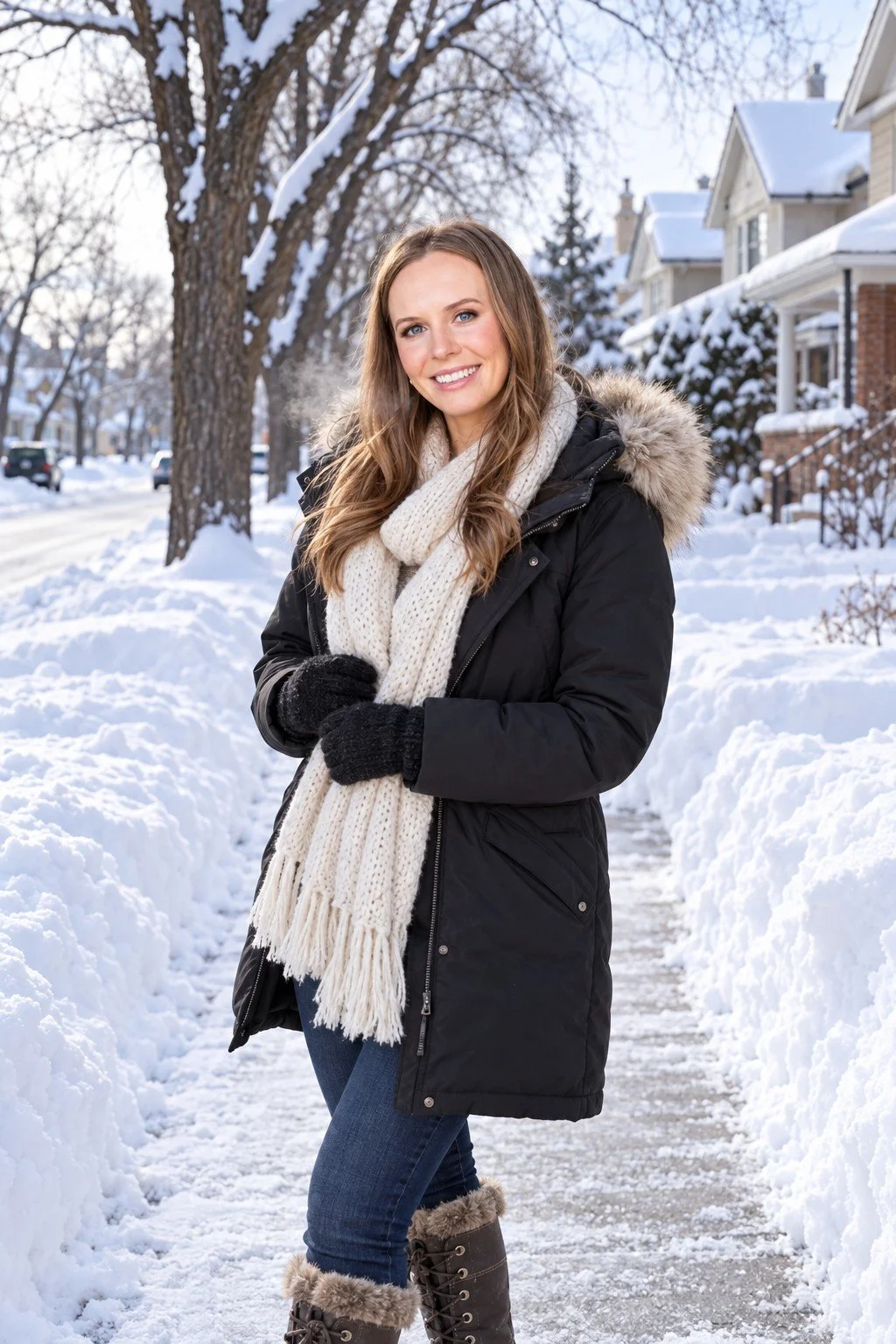
Dress for the Weather, Not for How You Wish the Weather Felt
A proper winter jacket changes everything. So do:
Insulated boots
Good gloves or mittens
A toque
Layers
Warm socks
One of the biggest mistakes newcomers make is trying to get through their first winter with clothing that worked somewhere else.There is a significant difference between a jacket that works at -5°C and one that's comfortable at -25°C. Once you have proper winter clothing, being outside becomes much more manageable.
Winter Can Actually Be Fun
There is another side of Winnipeg winter that doesn't always make relocation guides. Winter creates its own lifestyle here. You can experience:
Outdoor skating
Hockey
Festival du Voyageur
Cross-country skiing
Snowmobiling
Winter trails
Tobogganing
Ice fishing
Cozy restaurant and brewery nights
Weekend trips to cottages and cabins
Your first instinct may be to hide inside until April. Don't. The people who seem to enjoy Winnipeg winters most are usually the ones who find something they actually like doing during them.
Your First Winnipeg Winter Checklist
Before temperatures drop:
Service or check your furnace
Replace your furnace filter
Disconnect outdoor hoses
Understand exterior water shut-offs
Prepare your sump pump system for winter
Buy a snow shovel
Purchase an ice scraper and snow brush
Install winter tires
Learn how your block heater works
Check windows and doors for drafts
Make sure exterior vents are clear
Buy proper winter clothing
Know where your main water shut-off is
Pay attention to snow accumulation around your home
Key Takeaways: Preparing for Your First Winnipeg Winter
Winnipeg winters can bring prolonged freezing temperatures, snow and significant wind chill, but preparation makes everyday life much easier.
Your furnace is one of your home's most important winter systems. Learn how it works and keep up with recommended maintenance.
Protect outdoor plumbing, understand your sump pump discharge setup and know where your home's main water shut-off is located.
Keep furnace and dryer vents clear of snow and ice, and make sure your smoke and carbon monoxide alarms are working.
Budget for winter tires, cold-weather clothing, snow-removal equipment and seasonal heating costs.
Allow extra travel time during winter weather and familiarize yourself with Winnipeg's snow-clearing and parking rules.
Pay attention to snow accumulation and drainage around your property before spring melt.
Don't forget to enjoy the season! Skating, winter festivals and outdoor activities are part of what makes living in Winnipeg unique.
Final Thoughts
Your first Winnipeg winter will probably feel different. You'll experience your first -30°C morning. You'll learn that snow doesn't cancel nearly as many things as you thought it would. You'll eventually stop checking the weather every five minutes.
And at some point, you'll probably find yourself explaining to someone else that -15°C actually "isn't that bad." That's when you know you've officially adjusted.
Winnipeg winters are long and they require preparation, especially as a homeowner. But they're also simply part of living in Manitoba.
Once your house, vehicle and wardrobe are properly prepared, winter becomes much less intimidating.
If you're planning a move to Winnipeg and have questions about neighbourhoods, homes, commuting or what life here actually looks like throughout the year, I'm always happy to help.
Relocating isn't just about finding a house, it's about understanding the city you're about to call home.
Frequently Asked Questions About Your First Winnipeg Winter
How cold does Winnipeg get in winter?
Winnipeg regularly experiences temperatures below −20°C during the winter, with colder periods that can drop below −30°C. Wind chill can make conditions feel significantly colder, especially in January and February. The key is having appropriate clothing, preparing your home and understanding how to stay safe during extreme cold.
When does winter start in Winnipeg?
Winnipeg can experience snow and freezing temperatures in October, although November is often when winter conditions become more consistent. The coldest weather typically occurs in January and February. I recommend preparing your home and vehicle before the first major snowfall rather than waiting for winter to arrive.
Do I need winter tires in Winnipeg?
Winter tires are highly recommended for Winnipeg's cold, snowy and icy driving conditions. They generally provide better traction in winter temperatures than typical all-season tires.
If you're relocating with a vehicle, I'd include winter tires in your moving budget. They're an important part of preparing for your first Manitoba winter.
Do I need a block heater in Winnipeg?
A block heater can make starting your vehicle easier during extreme cold by warming the engine. Many vehicles in Winnipeg are equipped with them, although whether you need one depends on your vehicle and its manufacturer's recommendations.
If you've never used a block heater, familiarize yourself with the correct equipment and operating instructions before temperatures drop.
Is Winnipeg winter hard to adjust to?
The first winter is usually the biggest adjustment. Most newcomers find that proper clothing, winter tires, home preparation and simply understanding what to expect make subsequent winters considerably easier.
How do I prepare my Winnipeg home for winter?
Start by checking your furnace and replacing its filter if needed. Disconnect outdoor hoses, understand your exterior plumbing, inspect windows and doors for drafts, and learn how your sump pump discharge system should operate during freezing temperatures.
It's also important to keep exterior vents clear, test smoke and carbon monoxide alarms, and know where your main water shut-off is located.
What happens if my furnace stops working during extreme cold?
If your furnace stops working, check basic settings and components only if you can do so safely. Contact a qualified HVAC professional if you cannot identify the problem.
During extreme cold, a prolonged loss of heat can create additional risks, including frozen plumbing. Have an emergency plan and somewhere warm to go if necessary. Never use outdoor cooking equipment or other unsafe fuel-burning appliances to heat your home.
What should I buy before my first Winnipeg winter?
I'd start with a proper winter jacket, insulated boots, gloves or mittens, a toque and warm layers.
For your home, you'll likely want a snow shovel and suitable ice-removal supplies. For your vehicle, consider winter tires, a snow brush, ice scraper and basic emergency supplies.
And one piece of advice: buy your shovel before you need your shovel!
Is Winnipeg a good place to live in winter?
Winnipeg winters take some getting used to, but there's a lot to enjoy once you're prepared.
Outdoor skating, hockey, cross-country skiing, tobogganing and Festival du Voyageur are just a few ways to embrace the season.
My advice is not to spend your entire first winter waiting for spring. Find an activity you enjoy, invest in proper winter clothing and give yourself a chance to experience what makes winter in Winnipeg special.

Your Friend in Real Estate,
Sheyla Duncan
Phone: (204) 871-3228
Email: Sheyla@QueenTeam.ca
Sheyla Duncan is a Winnipeg REALTOR® with Queen Team at Ethos Realty Inc., helping buyers and sellers navigate the Winnipeg real estate market and surrounding communities.
Through her articles, Sheyla shares practical advice about relocating to Winnipeg, exploring local neighbourhoods and understanding the responsibilities that come with homeownership.
She believes that moving to a new city involves much more than finding the right house. It's also about understanding the local lifestyle, preparing for seasonal changes and feeling confident in the community you're about to call home.
Whether you're preparing for your first Manitoba winter, exploring Winnipeg neighbourhoods or getting ready to purchase a home, Sheyla's goal is to make the process feel more approachable, informed and manageable.